


How a Dentist Detects Oral Cancer Early
Visiting a dentist in 28075 is about more than clean teeth. During routine checkups, they also perform an oral cancer screening designed to detect abnormalities before they become serious health concerns.
Why Early Detection Matters for Oral Cancer
Oral cancer can affect the lips, tongue, cheeks, the floor of the mouth, the hard and soft palate, the sinuses, and the throat. According to the American Cancer Society, early-stage detection significantly improves survival rates and treatment outcomes. The challenge is that oral cancer often begins with subtle symptoms or none at all.
When caught early, treatment is typically less invasive and more effective. When discovered later, it may require more extensive procedures. That is why routine dental visits play such a critical role in prevention and early identification.
What Happens During an Oral Cancer Screening?
Many patients do not realize that an oral cancer screening is already part of their preventive care visit. A dentist carefully examines both visible and hard-to-see areas of the mouth.
Visual Examination
The first step is a thorough visual inspection. This includes checking for:
- Red or white patches
- Persistent sores
- Swelling or thickened tissue
- Unusual lumps
- Changes in gum tissue
The lips, tongue, cheeks, roof of the mouth, and back of the throat are all evaluated.
Physical Examination
In addition to looking for abnormalities, the dentist gently palpates the tissues of the mouth, jaw, and neck. This helps identify lumps or hardened areas that may not be visible but could require further evaluation.
Review of Symptoms & Risk Factors
Patients are often asked about symptoms such as difficulty swallowing, chronic sore throat, numbness, or unexplained bleeding. Lifestyle factors like tobacco use, alcohol consumption, excessive sun exposure to the lips, and HPV exposure may also increase risk.
Common Warning Signs You Should Not Ignore
While regular screenings are essential, knowing the warning signs empowers you between visits. Contact a dental professional if you notice:
- A sore that does not heal within two weeks
- Persistent mouth pain
- A lump in the cheek
- Difficulty moving the tongue or jaw
- Voice changes
Even if symptoms seem minor, it is always better to have them evaluated early.
How Technology Supports Early Detection
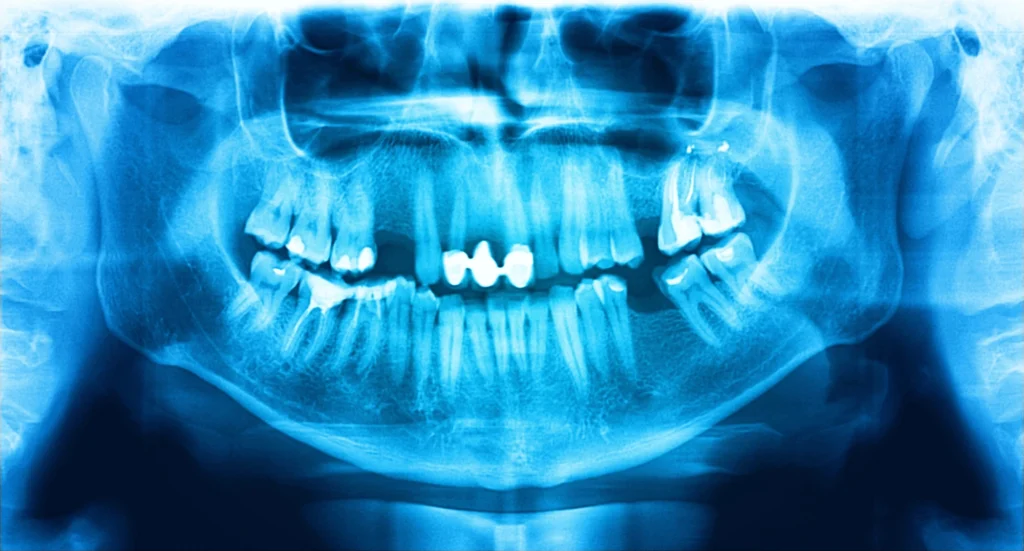
Advancements in dental technology have enhanced screening accuracy. Enhanced lighting, magnification, and diagnostic tools help identify suspicious areas sooner. Digital imaging can also help monitor changes over time.
Preventive dentistry focuses not only on treating cavities but also on protecting overall health. Oral health is directly connected to systemic health, and early identification of abnormalities supports better long-term outcomes.
The Role of Routine Exams in Prevention
Consistency matters. Most patients benefit from biannual checkups, though some individuals may need more frequent visits depending on risk factors. During these appointments, a dentist monitors any changes in oral tissues and documents findings for comparison at future visits.
Preventive care allows subtle changes to be tracked before they progress. This proactive approach gives patients peace of mind and supports overall wellness.
Schedule a Visit with a Dentist in 28075
If it has been a while since your last checkup, now is the time to prioritize your health. At FRESHDental Harrisburg, we provide comprehensive preventive care, including thorough oral cancer screenings designed to detect concerns early and protect your long-term well-being.
Schedule your appointment today and let our team help you stay proactive about your oral health.