


How Long Does It Take to Adjust to Dentures?
Adjusting to dentures is not a single adjustment period; it is two periods running on different clocks. Speech tends to normalize quickly: a study measuring the pitch and clarity of patients’ voices found that their speech patterns returned to baseline within about two weeks of getting new dentures. Full physical comfort and chewing confidence take considerably longer.
That gap between the two timelines is one of the most common sources of confusion for anyone new to dentures in Harrisburg, NC, since feeling like yourself again while talking does not mean the adjustment process is actually finished. Here is what our dentists want new patients to know.
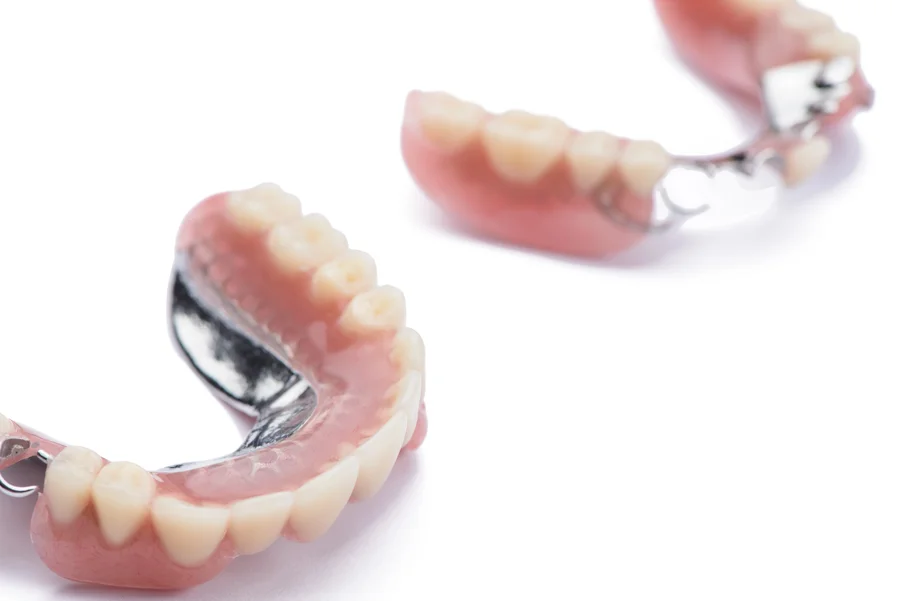
Speech Comes Back Faster Than You’d Expect
New dentures change the shape of the roof of the mouth and the space the tongue uses to form certain sounds, which is why a mild lisp or slight slurring in the first few days is normal for anyone new to dentures in Harrisburg, NC. Research tracking speech patterns found that within roughly two weeks, most patients’ speech had returned to a level indistinguishable from their pre-treatment speech.
Reading aloud, practicing tongue-twisters, and speaking slower than usual during that first stretch speed up the process.
Why Full Comfort Takes Longer Than Speech
Chewing comfort and muscle coordination follow a slower track than speech. Electromyography studies measuring jaw muscle activity in new denture wearers found that muscle function shifted and adjusted for roughly 20 weeks (about 5 months) before stabilizing into a consistent pattern. That timeline reflects how much retraining is involved: the muscles used for chewing have to learn a new bite position, and the gum tissue underneath needs time to toughen up under the pressure of a removable appliance.
Most people notice steady improvement well before the five-month mark, but full stability takes longer than most patients expect.
A few habits tend to shorten the adjustment period for dentures in Harrisburg, NC:
- Start with soft foods and gradually reintroduce firmer textures as comfort improves
- Cut food into smaller pieces and chew evenly on both sides of the mouth
- Practice speaking aloud daily, since repetition speeds up muscle memory
- Use a denture adhesive if recommended, especially in the first few weeks
- Keep scheduled follow-up visits so minor fit issues get caught early
When Soreness Crosses Into a Fit Problem
Mild gum tenderness during the first couple of weeks is a normal part of adjusting. Still, persistent pain, sharp pressure in a specific spot, or visible sores that do not improve are signs that the denture itself needs an adjustment, not just more time. A denture that rocks, slips while talking or eating, or consistently rubs the same area usually has a fit issue that a quick chairside adjustment can resolve.
Waiting out a problem like that tends to prolong discomfort rather than solve it, and it can also discourage someone from wearing the denture consistently enough to build the muscle memory that adjustment actually depends on.
What Support Looks Like at Fresh Dental Harrisburg
At Fresh Dental Harrisburg, the denture fitting process includes impressions, a trial fitting, and adjustments before the final set is completed, reducing the amount of correction needed after delivery. Follow-up visits are built into the process specifically to catch sore spots or minor fit issues early, rather than leaving patients to work through discomfort alone.
Patients weighing dentures against dental implants are also welcome to discuss both options before deciding which best fits their situation.
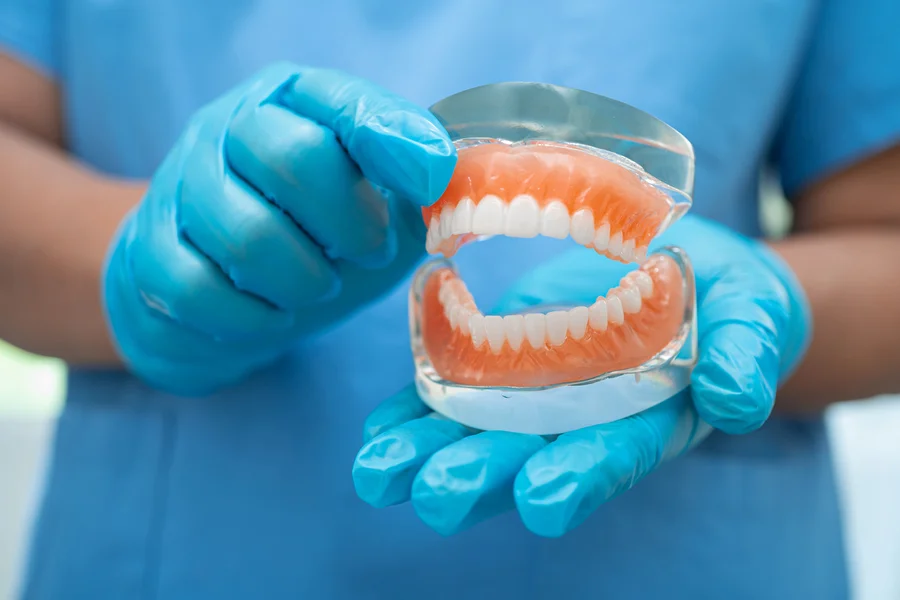 Ask About Dentures in Harrisburg, NC
Everyone adjusts to a new denture at a slightly different pace, but ongoing pain or a poor fit should never be something to just wait out. Fresh Dental Harrisburg offers dentures in Harrisburg, NC, with fitting appointments and follow-up support built into the process from the start.
Patients without insurance can also ask about our dental savings plan. Contact Fresh Dental Harrisburg to schedule a consultation and get a realistic sense of what your own adjustment period might look like.