


Root Canal vs. Extraction: Which Saves More?
Suddenly, throbbing tooth pain has a way of turning an ordinary afternoon into a dental emergency. Once a dentist confirms that a tooth is infected or decayed beyond the point where a simple filling will suffice, two paths usually arise: save the tooth or remove it.
Root canal treatment in Huntersville, NC, keeps your natural tooth in place and your bite working as it always has, while an extraction clears the infection completely but opens a new set of decisions about what to do about the gap afterward. Before you decide, it helps to understand what each option actually costs you, both this month and in years to come.
If sudden tooth pain has you weighing your options tonight, here is an honest look at how the two treatments compare.
The Real Price Tag Behind Each Option
On paper, an extraction usually costs less than root canal treatment in Huntersville, NC, and that is often the first thing patients notice when comparing quotes. The math changes once you factor in what happens next. A tooth that is pulled and never replaced can let neighboring teeth drift out of position, change how you chew on that side, and gradually reduce jawbone density where the root used to be.
Replacing a missing tooth with a dental implant typically costs more over time than finishing a root canal and protecting it with a crown. Once you add the implant itself, the abutment, and the healing period involved. For a tooth that can still be saved, keeping it is frequently the more economical choice in the long run.
What a Root Canal Actually Involves
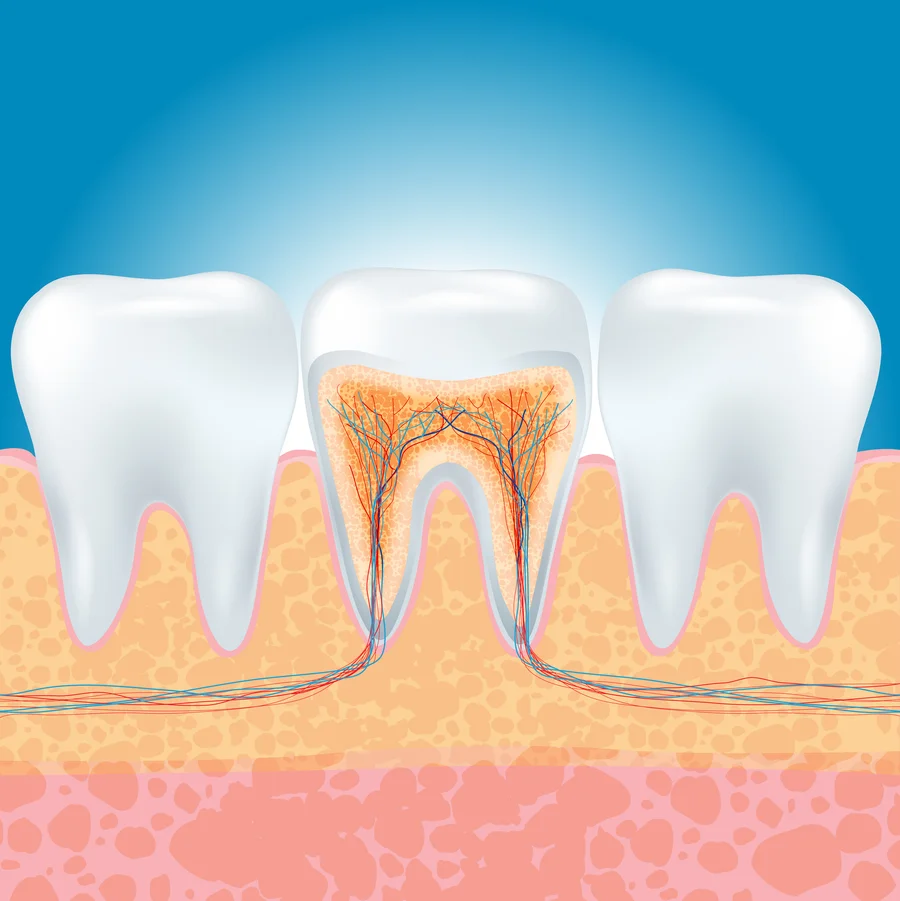
During root canal treatment in Huntersville, NC, your dentist removes the infected or inflamed pulp from inside the tooth, disinfects the canal, and seals it to prevent bacteria from returning. Most teeth need a custom crown afterward for added strength, since a tooth without its pulp becomes more brittle over the years. This treatment carries a success rate of about 95% and can preserve a tooth for the rest of your life when the surrounding bone and gum tissue stay healthy.
For a broader context on why the procedure has such a strong reputation for safety, the American Association of Endodontists maintains publicly available root canal safety information that addresses many of the myths that still circulate.
Why Extraction Might Be the Better Call
Saving a tooth is not always realistic, and there are a few situations where the extraction process genuinely serves you better:
- The tooth is fractured below the gumline, leaving nothing solid to rebuild
- Decay has destroyed too much of the supporting bone structure
- The root canal system is too narrow or calcified to clean thoroughly
- An infection keeps returning even after a previous root canal
In any of these cases, removing the tooth prevents the infection from spreading to neighboring teeth or into the jaw. Good tooth extraction aftercare, including rest and a soft-food diet for the first few days, keeps recovery short and complication-free.
Filling the Gap After an Extraction
If extraction is the right call, you still have choices for what comes next. A dental bridge, a partial denture, or an implant can each restore your smile and your ability to chew comfortably, and the right fit depends on your budget, the location of the missing tooth, and your overall oral health.
Flexible payment options are available for patients without insurance, so cost should not be the reason a gap in your smile goes unaddressed longer than it should.

Schedule Root Canal Treatment in Huntersville, NC Today
Whether your tooth can be saved or needs to come out, waiting rarely makes the decision easier or cheaper. FRESHDental’s Huntersville team will examine the tooth, walk you through your options honestly, and recommend root canal treatment in Huntersville, NC, only when it is genuinely the better long-term choice for your smile.
If you are dealing with a toothache or a tooth that needs attention, contact us today to schedule an exam and find out which path makes the most sense for you.