


Does Pulling a Tooth Affect the Teeth Next to It?
Getting a tooth pulled solves one problem, but it is fair to wonder what happens to everything around it afterward. The short answer is yes, neighboring teeth can be affected, sometimes in ways that only become obvious months later.
Understanding why that happens is useful before or after tooth extractions in Gastonia, NC, especially if you are deciding whether to replace the tooth right away.
A routine visit for professional teeth cleanings is often when a dentist first notices early signs of shifting.
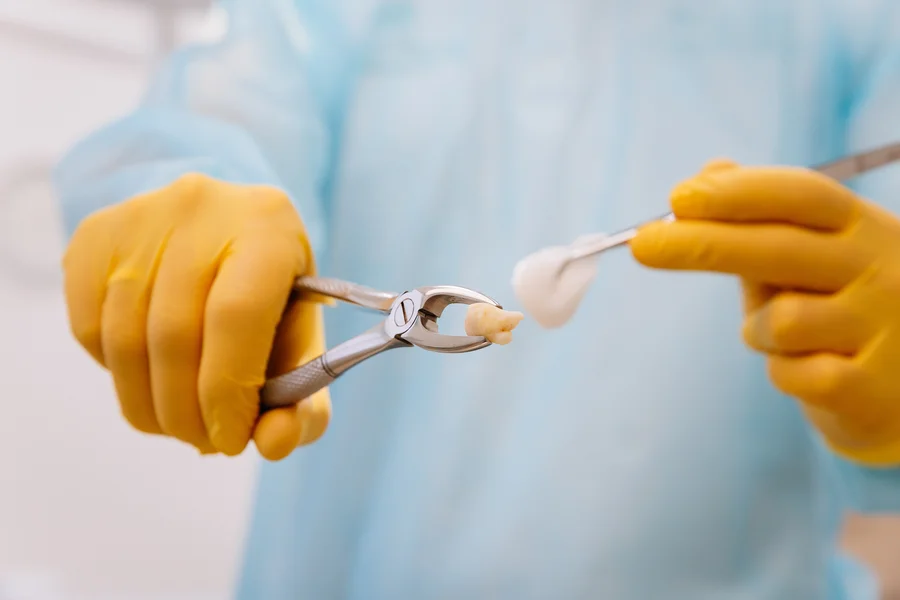
Yes, Nearby Teeth Can Be Affected, and Here Is Why
Every tooth in your mouth helps hold its neighbors in place through constant, gentle contact.
According to the American Dental Association, the average adult between the ages of 20 and 64 already has three or more decayed or missing teeth, and remaining teeth can shift while bone loss occurs around the gap left behind. Once that support disappears, nearby teeth are no longer held firmly in position, and the bite starts to change in small, gradual steps.
This is exactly why the topic of tooth extractions in Gastonia, NC, comes up so often, even when the extraction itself goes smoothly.
What Happens to the Tooth Next Door
The teeth on either side of an empty socket tend to lean or drift toward the open space over time. This movement is usually slow, so it rarely feels dramatic in the moment. Instead, patients often notice it later as food getting caught in new gaps, a tooth that suddenly looks crooked, or a bite that feels slightly different than it used to after tooth extractions in Gastonia, NC.
The Opposing Tooth Matters Too
It is not only the teeth beside the gap that move. The tooth directly across from the missing one in the opposite jaw can begin to shift upward or downward because it no longer has anything to bite against.
Research on this effect, known as supraeruption, has found that it occurs in roughly 70% to 85% of cases in which an opposing tooth is removed and not replaced. Over time, that extra movement can make the tooth more sensitive and harder to restore if treatment is ever needed.
Signs Nearby Teeth May Be Shifting
A few changes are worth watching for after an extraction:
- New gaps appearing between teeth that used to sit flush together.
- Food getting trapped in spots that never used to be a problem.
- A bite that feels different when chewing or biting down.
- A tooth that looks like it is leaning or tilting over time.
- Jaw soreness that was not present before.
How to Protect Your Bite After an Extraction
The most reliable way to prevent this kind of shifting is to fill the gap rather than leave it open.
A dental bridge anchors a replacement tooth to the teeth on either side of the space, which keeps everything from drifting out of position.
A dental implant works a bit differently by replacing the root itself, so nearby teeth and the jawbone stay supported.
Dentures are another option for patients missing several teeth, though they rest on the gums rather than directly replacing the roots.
Either a bridge or an implant tends to work better the sooner it is placed after the extraction, before any real movement has had a chance to start.
If pain, swelling, or a shifting feeling occurs suddenly, it is worth seeking emergency dental care rather than waiting for a routine visit.
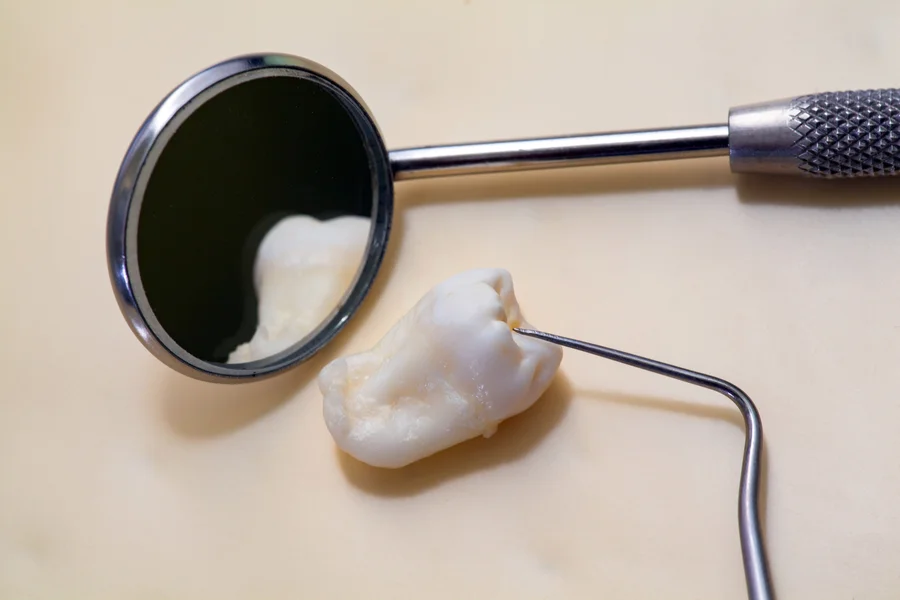
Considering Tooth Extractions in Gastonia, NC?
Whether a missing tooth actually affects its neighbors often comes down to timing and what, if anything, replaces it. Fresh Dental can walk you through what to expect for your specific tooth and the options that make the most sense afterward.
If you are weighing tooth extractions in Gastonia, NC, contact us, and we can talk through how to protect the rest of your smile.