


Chewing on One Side? How Wisdom Teeth Change Your Habits
Most people never consciously decide which side of their mouth to chew with, yet many favor one side without realizing it, sometimes only when a friend or family member points it out.
When that pattern shows up alongside a nagging ache in the back of the jaw, it is often worth asking whether an emerging or impacted wisdom tooth is behind it, and what wisdom teeth removal in Huntersville, NC might offer as a fix.
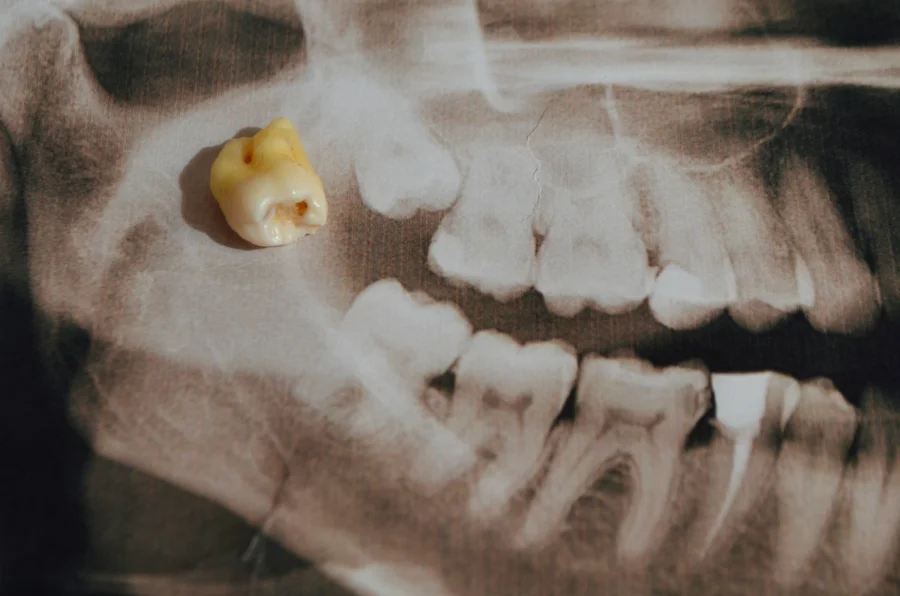
A set of digital X-rays usually settles the question quickly.
Why Pain Quietly Rewires How You Chew
The connection between pain and chewing side is more direct than most people assume. A study published in PLOS ONE found that 16 of 20 participants with chronic one-sided jaw pain habitually chewed on the same side as their symptoms, a statistically significant pattern.
In other words, the body does not necessarily protect the sore side by avoiding it. Instead, it often keeps using that side out of habit, which can reinforce the discomfort over time. It is a counterintuitive finding, but it helps explain why someone can go weeks favoring a side without ever connecting it to wisdom teeth removal in Huntersville, NC.
How a Wisdom Tooth Triggers This Pattern
A wisdom tooth that is impacted or only partially erupted creates exactly the kind of localized irritation that can shift chewing habits without a person ever noticing the moment it started. Pressure against neighboring teeth, inflamed gum tissue, or a partially exposed tooth surface all give the brain a reason to favor one side, even if the shift happens so gradually that it goes unnoticed.
This is often how the need for wisdom teeth removal in Huntersville, NC first comes to light, well before any sharp pain appears. By the time discomfort becomes obvious enough to mention at an appointment, the chewing pattern has often already been shifting for weeks or months.
Signs Your Chewing Pattern Has Shifted
None of these signs are dramatic on their own, which is part of why they often first come up during a routine professional teeth-cleaning visit rather than at home. A few clues tend to show up before someone connects the dots:
- Food seems to always end up on one particular side.
- One side of the jaw feels tired or sore after a meal.
- A clicking or popping sensation develops on one side of the jaw.
- A back tooth feels different or more sensitive than it used to.
- Biting down fully on one side feels less comfortable than on the other.
Why the Habit Doesn’t Always Go Away After the Pain Does
Once a one-sided chewing pattern sets in, it can persist even after the source of discomfort is addressed. The same research found measurable differences in jaw joint movement between the habitual chewing side and the other side, suggesting that the joint itself adapts to the imbalance over time, likely because that side has simply had more practice handling the workload.
This is one reason a dentist may recommend tooth extractions or restorative work promptly rather than letting an irritated wisdom tooth linger, since the longer the habit continues, the more it can take to retrain. Some patients notice they still favor one side for a while after treatment, simply because the pattern has become automatic.
Wondering If Wisdom Teeth Removal in Huntersville, NC Could Help?
A one-sided chewing habit is easy to dismiss as a quirk, but it is often a signal worth paying attention to, especially when a wisdom tooth is involved. Fresh Dental can check whether your chewing pattern aligns with what is happening further back in your mouth and talk through what the treatment would actually involve.
If pain or swelling develops suddenly, emergency dental services are available in the meantime. For questions about wisdom teeth removal in Huntersville, NC, contact us, and we can take a closer look.