


Healing After a Tooth Pulled: Dos and Don’ts
The tooth is out, the numbness is fading, and now the real work begins: healing it correctly. Most complications after tooth extraction in Huntersville, NC, do not happen during the procedure itself. They happen in the days afterward, when one sip through a straw, a skipped dose of medication, or a forgotten rinse can turn a routine recovery into a painful setback. The good news is that the dos and don’ts that matter most are simple once you know them.
If something feels off during recovery, a same-day appointment is only a phone call away, so you never have to wait out a problem on your own.
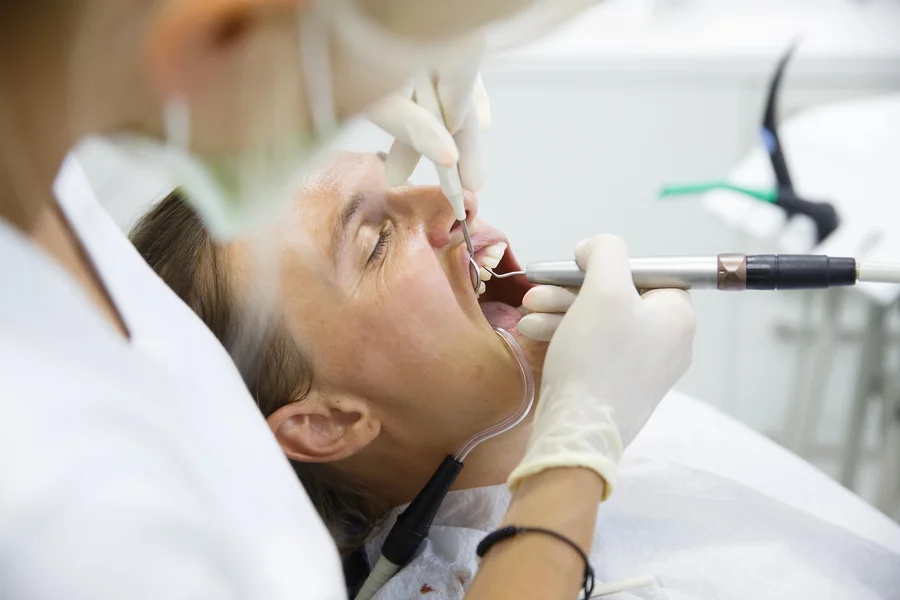
The First 24 Hours Matter Most
The day of your tooth extraction sets the tone for everything that follows. A peer-reviewed review hosted by the National Institutes of Health puts the rate of dry socket, one of the most common and painful complications, at somewhere between 0.5% and 5.6% of extractions overall, climbing much higher after a surgical removal. That is a small risk, but nearly all of it comes down to how the first day is handled.
Do This the Day of Your Extraction
- Bite firmly on the gauze pad for 30 to 45 minutes so a blood clot can form
- Rest with your head propped up for the rest of the day
- Apply an ice pack in short intervals if your cheek starts to swell
- Take any prescribed pain medication before the numbness fully wears off
Avoid These on the Day of Your Extraction
- Do not rinse, spit forcefully, or drink through a straw
- Do not smoke or use any tobacco product
- Do not poke or prod the extraction site with your tongue or fingers
- Do not lie down completely flat, since this can encourage bleeding and swelling
What Changes After the First Few Days
By day two or three, bleeding should have stopped, and swelling should begin to fade. This is exactly when most people start to relax, which is also when a surgical tooth removal site is still vulnerable to reopening if you push your recovery too quickly.
Starting on day two, gently rinse with warm salt water after meals to keep the area clean without disturbing the healing clot underneath. Stick to soft foods such as yogurt, mashed potatoes, and broth-based soup, and reintroduce solid foods gradually as comfort allows.
For guidance beyond this list, the American Association of Oral and Maxillofacial Surgeons publishes general recovery guidelines that cover pain management and activity restrictions in greater depth.
Signs You Should Call Your Dentist
Most recoveries are uneventful, but reach out promptly if you notice pain that worsens after day three instead of improving, a fever or swelling that will not go down, an unpleasant taste that lingers, or bleeding that will not slow after an hour of steady pressure. Any of these can point to an infection or a dry socket that needs professional attention rather than more time.
Once You’re Fully Healed
Full healing typically takes a few weeks. Once healing from your tooth extraction in Huntersville, NC, is complete, it is worth discussing whether to replace the tooth. A dental implant, a bridge, or a partial denture can each keep neighboring teeth from drifting into the empty space, and addressing the gap early is almost always simpler than waiting.
This is also a good time to schedule a professional cleaning if it has been a while since your last one, since a healthy mouth around the healed site supports a smoother long-term outcome.

Start Caring for Your Tooth Extraction in Huntersville, NC
Healing after tooth extraction in Huntersville, NC, is usually smooth when you follow the right dos and don’ts. However, you do not have to figure it out alone. If anything about your recovery feels off, or you are ready to schedule your next visit, our Huntersville team is glad to help.
Contact us today, and we will walk you through exactly what to expect.