


How Gum and Bone Heal Where a Wisdom Tooth Used to Be
Once a wisdom tooth is out, most of the healing conversation focuses on the first few uncomfortable days. What happens underneath the surface over the following weeks and months is just as important, even though it is largely invisible.
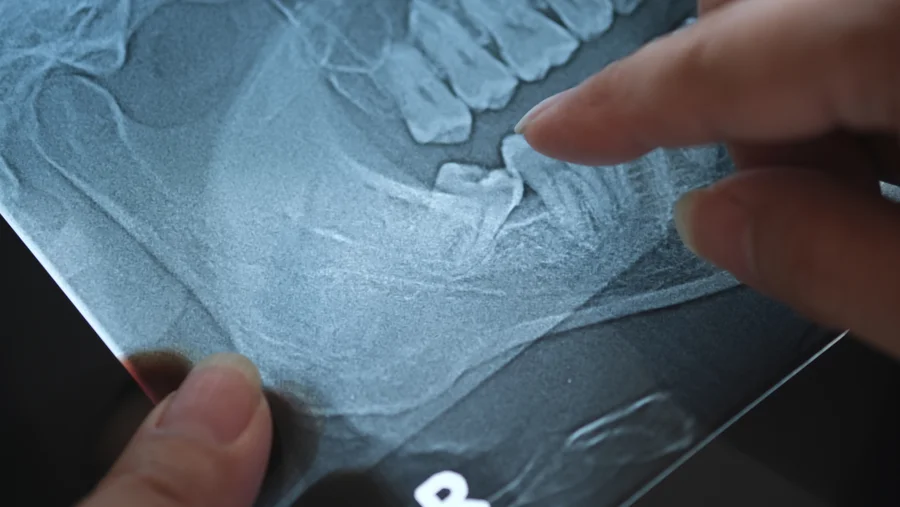
A dentist tracking that progress, sometimes with a follow-up set of digital X-rays, is really watching a well-documented biological sequence that follows wisdom tooth extraction in Hickory, NC, from the moment the tooth comes out.
The Four Stages Your Body Moves Through
Socket healing is not a single event but a series of overlapping stages. A narrative review published in the journal Bioengineering breaks the process into four distinct phases: hemostasis and coagulation, the inflammatory stage, the proliferative stage, and finally remodeling. Each stage hands off to the next, and the tissue inside the socket looks genuinely different depending on which stage it is in.
Understanding these stages is useful background information whether you are a few days or a few months past tooth extraction surgery, such as wisdom tooth removal.
The First Week: Clot and Early Tissue
Immediately after extraction, the socket fills with blood, and a clot forms within minutes to protect the exposed bone and begin the healing cascade. Within the first week, the initial clot is already being replaced by granulation tissue, composed of new blood vessels and connective tissue cells, according to the same review.
This early tissue is fragile, which is why aftercare instructions focus so heavily on protecting the area during these first several days. Disturbing the clot too early, through vigorous rinsing or using a straw, can interrupt this stage before it has a chance to establish itself properly.
Weeks Two Through Eight: Soft Tissue Closes, Bone Begins
The visible gum surface typically closes within 1 to 2 weeks, according to MedlinePlus, even though deeper healing is still underway. Underneath, the granulation tissue is gradually replaced by a denser provisional matrix, and researchers have found that woven bone, an early, less organized form of bone, has largely taken over by six to eight weeks after extraction.
This is the stage where the body is actively building rather than just protecting the site.
Two to Three Months: The Socket Seals With Bone
By around the twelfth week, most sockets have sealed with mineralized trabecular bone following wisdom tooth extraction in Hickory, NC, and elsewhere, at a fairly consistent pace across studies.
That bone is not yet as mature or dense as the bone that originally surrounded the tooth root, but it is stable enough to support the socket and begins the slower process of becoming true, load-bearing bone.
Signs a Socket Is Healing Normally
A few things tend to indicate healing is on track:
- Gum tissue that looks pink and closed rather than open or raw.
- Discomfort that steadily decreases rather than staying the same or worsening.
- No foul taste or odor coming from the site.
- A gradual return to normal chewing on that side of the mouth.
If any of these signs reverse instead, or new swelling and pain show up out of nowhere, that is worth addressing through emergency dental services rather than waiting to see if it resolves on its own.
Why the Jawbone Changes Shape Afterward
Even with normal, healthy healing, the bone around an extraction site naturally loses some width and height, particularly in the first six months, as the body remodels the ridge where the tooth used to sit. Research on this process has found that resorption can affect a noticeable portion of the original bone volume during this window, which is more pronounced than most patients expect.
This is one reason dentists bring up tooth replacement early when a missing tooth might affect nearby teeth or future dental implants, since planning ahead of significant bone changes tends to produce simpler, more predictable results.
Questions About Wisdom Tooth Extraction in Hickory, NC?
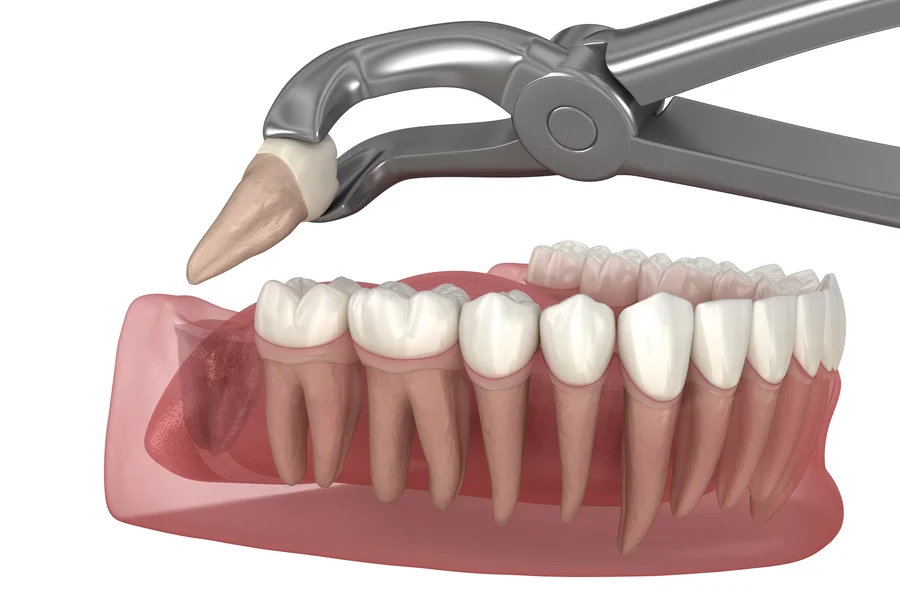
Healing after an extraction is a longer, more detailed process than the visible timeline suggests, with the underlying biology continuing long after the gum appears closed. Fresh Dental can check how your specific socket is progressing and flag anything that looks off track.
For questions about wisdom tooth extraction in Hickory, NC, or how your healing is going, contact us, and we will take a look.