


How Long Does a Tooth Extraction Procedure Take?
When a damaged or problematic tooth cannot be saved, extraction may be the best option to protect your oral health. Many patients feel nervous about the procedure and often wonder how long it will take from start to finish. The truth is that most tooth extractions in Gastonia, NC, are relatively quick procedures, especially when performed by an experienced dental team.
Understanding what happens during the appointment can help patients feel more comfortable and prepared. While every situation is unique, the timing of the procedure often depends on the tooth’s condition and the extraction’s complexity.
What Happens Before a Tooth Extraction?
Before the extraction begins, the dentist will perform a careful evaluation of the tooth and surrounding structures. This typically includes a visual examination and dental imaging to assess the tooth’s position and the health of the surrounding bone. Once the evaluation is complete, the dentist will numb the area with local anesthesia. This step ensures the procedure is comfortable and that patients experience minimal discomfort during extraction. The preparation stage usually takes several minutes and helps ensure the procedure goes smoothly.
Typical Timing for a Tooth Extraction
For many patients, a simple extraction can be completed fairly quickly once the area is fully numb.
Simple Extractions & Procedure Length
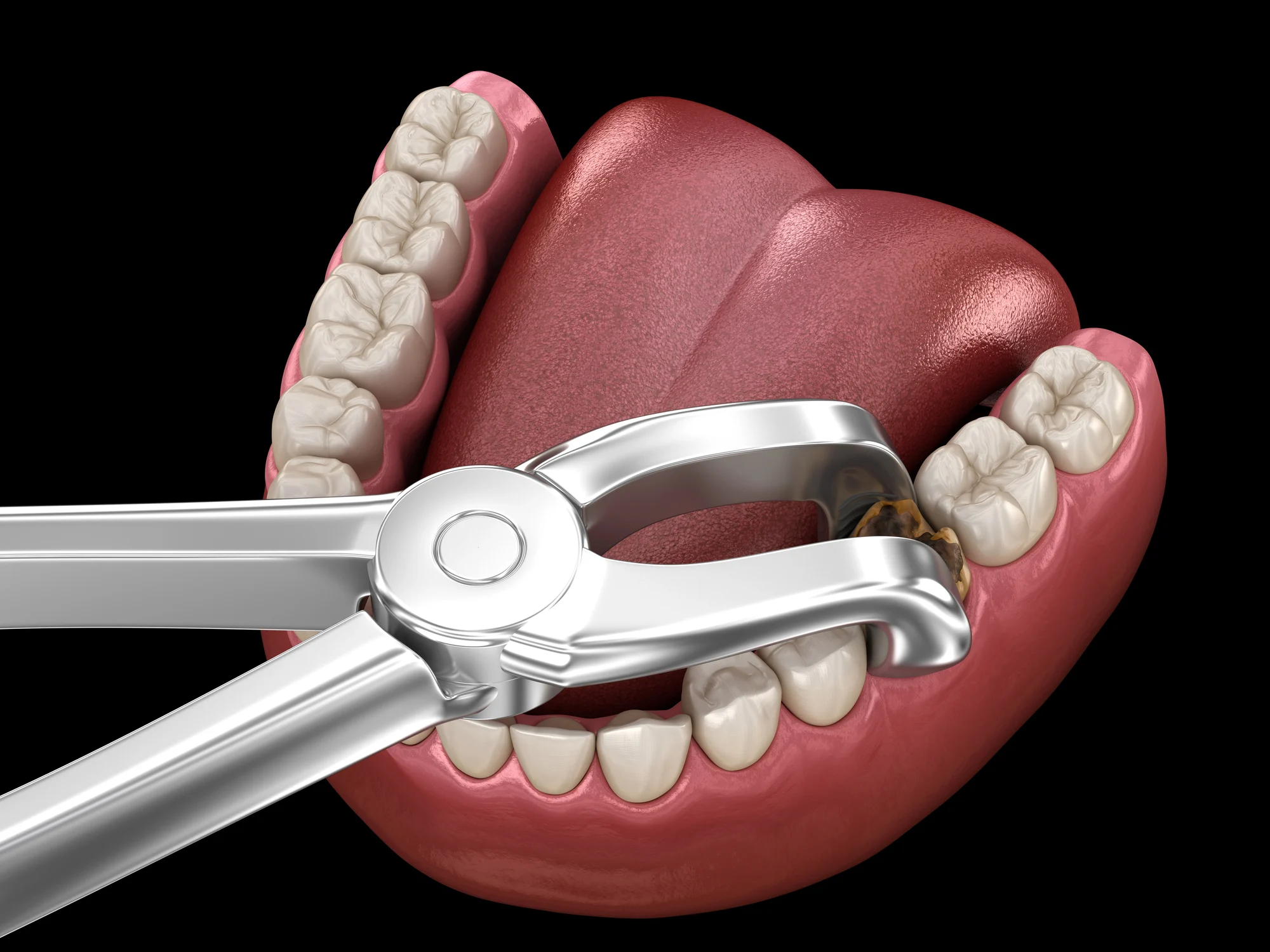
A simple extraction is performed when the tooth is visible above the gumline and can be removed with specialized dental instruments. In many cases, the actual removal of the tooth may take only a few minutes. The dentist gently loosens the tooth before carefully lifting it from the socket. Afterward, gauze is placed over the area to help control bleeding and encourage clot formation.
Surgical Extractions & Additional Time
Some extractions require a slightly more involved approach. Teeth that are broken at the gumline or impacted beneath the gum tissue may require a surgical extraction. During this process, the dentist may make a small opening in the gum to access the tooth. In certain situations, the tooth may be divided into smaller sections to allow for easier removal. These procedures can take longer than simple extractions, but they are still typically completed within a single dental appointment.
Factors That Can Affect Procedure Time
Several factors influence how long an extraction appointment may take. Each patient’s dental situation is different, which means timing can vary slightly from person to person.
Condition of the Tooth & Surrounding Tissue
Teeth that are severely decayed, fractured, or infected may require additional care during removal. The dentist must ensure that all damaged tissue is addressed to promote proper healing.
Position of the Tooth
Teeth that are fully erupted are usually easier to remove than teeth that are partially or completely below the gumline. Wisdom teeth, for example, often require more time because of their position.
Patient Comfort & Preparation
Dentists also take time to ensure patients feel comfortable and relaxed throughout the appointment. Clear communication and proper anesthesia help make the process smoother for everyone involved.
Recovery Time After an Extraction
While the tooth extraction procedure itself may take only a short time, the healing process continues after the appointment. Patients are typically advised to rest for the remainder of the day and follow specific aftercare instructions. These instructions may include avoiding strenuous activity, eating soft foods, and keeping the extraction site clean. Most patients notice improvement within a few days as the area begins to heal. Following aftercare instructions helps protect the blood clot that forms in the socket, which is an important part of proper healing.
Why Extractions Are Sometimes Necessary
Dentists recommend extractions when a tooth is damaged beyond repair or when keeping the tooth could affect surrounding teeth or gum health. Common reasons for extractions include severe tooth decay, advanced gum disease, overcrowding, or dental trauma. Removing a problematic tooth can relieve discomfort and prevent the development of more serious oral health issues. After extraction, dentists may discuss options for replacing the missing tooth, such as dental implants or bridges.

Schedule Tooth Extractions in Gastonia, NC
If you have been told that an extraction may be necessary, learning about the procedure can help reduce uncertainty and stress. Professional care ensures the process is performed safely while protecting the health of your surrounding teeth and gums. At FRESHDental Gastonia, we focus on making tooth extractions in Gastonia, NC, as comfortable and efficient as possible while helping patients understand each step of their treatment. If you are experiencing tooth pain or believe you may need an extraction, consider scheduling an appointment to receive personalized care and guidance for your smile.