


Signs of Infection That Often Lead to a Root Canal
Not every toothache means the nerve inside a tooth is infected, but certain signs point pretty clearly in that direction. Understanding what those signs actually mean, rather than just knowing the list, makes it easier to recognize when root canal treatment in Concord, NC, is the next step, rather than something less involved.
Why These Signs Show Up in the First Place
Most of these symptoms trace back to the same underlying process, and recognizing that process is often what separates patients who seek root canal treatment Concord NC offices provide early from those who wait until the pain becomes unbearable.
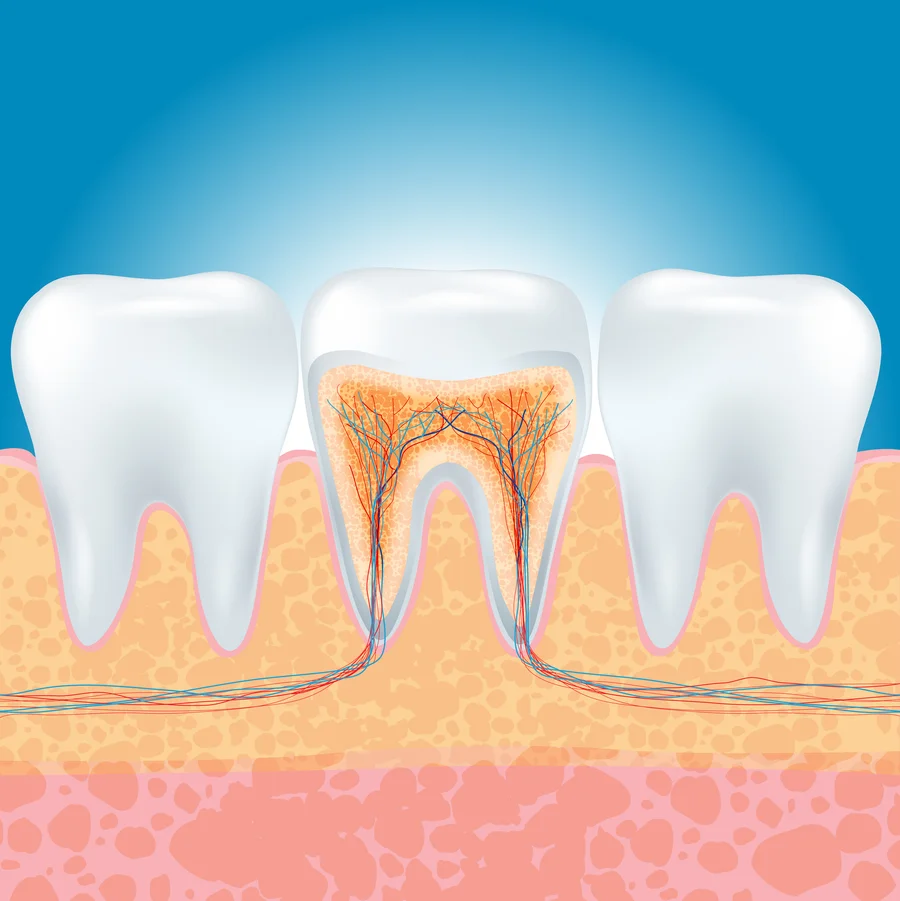
According to the American Dental Association, bacteria from decay or a cracked tooth can enter the pulp, the soft tissue inside a tooth that contains nerves and blood vessels. Once the tissue dies, pus can accumulate at the root tip within the jawbone, forming an abscess. Every symptom on this list is really just a different way that process makes itself known.
Persistent Pain and Pressure Sensitivity
A dull ache that comes and goes is different from pain that lingers well after you stop eating something hot or cold, or pain that flares up specifically when you bite down. That lingering quality is the key detail dentists look for when deciding whether root canal treatment, as Concord, NC patients describe over the phone, sounds urgent or routine.
Normal sensitivity fades quickly once the stimulus is removed, while pain from an infected nerve tends to linger afterward, sometimes throbbing on its own even without anything touching the tooth.
The Pimple on the Gums
A small, pimple-like bump on the gums near a painful tooth is not a sign of a passing gum irritation. It is a drainage point where the body is attempting to relieve pressure from the infection beneath the gum by allowing pus to escape through the gum tissue.
It may come and go, which can mislead people into thinking the problem has resolved on its own. Still, the underlying infection remains even when the bump temporarily disappears.
Discoloration and Tenderness
A tooth that has darkened or taken on a grayish tint is often a sign that the nerve inside has died, since that tissue no longer nourishes the tooth from within the way healthy pulp does. The change can happen gradually enough that patients do not notice right away.
Tender or swollen gums around a single tooth, rather than general gum soreness throughout your mouth, point to localized infection rather than something more routine like plaque buildup or a minor case of gingivitis.
A few signs together tend to make the picture clearer than any single symptom alone.
- Throbbing pain that does not fully go away between flare-ups
- Pain that lingers for an extended period after hot or cold contact
- A tooth that looks noticeably darker than the teeth around it
- A small bump on the gums near one specific tooth
- Tenderness or swelling isolated to one area rather than spread throughout the mouth
Not every one of these signs on its own means a root canal is unavoidable. A dental exam, often including an X-ray, is what actually confirms whether the nerve is involved or whether a more conservative option like a filling is still possible.

Experiencing These Signs? Talk to Us About Root Canal Treatment in Concord, NC
Drs. Ganglani, Johal, and Dunning can evaluate your symptoms and honestly let you know whether a root canal treatment Concord, NC, is the right next step for your tooth. FRESHDental Concord offers same-day evaluations for tooth pain that will not wait, and our Concord FAQ page covers insurance and scheduling questions.
Contact us today if you are noticing any of these signs.