


Traditional vs. Implant Bridges: What’s the Difference?
Not all bridges attach to your mouth the same way, and that difference matters more than it might seem at first glance. For patients researching dental bridges in Hickory, NC, dentists often say a bridge is a bridge. In fact, there are two fundamentally different approaches, depending on how the replacement tooth is anchored.
How a Traditional Bridge Is Anchored
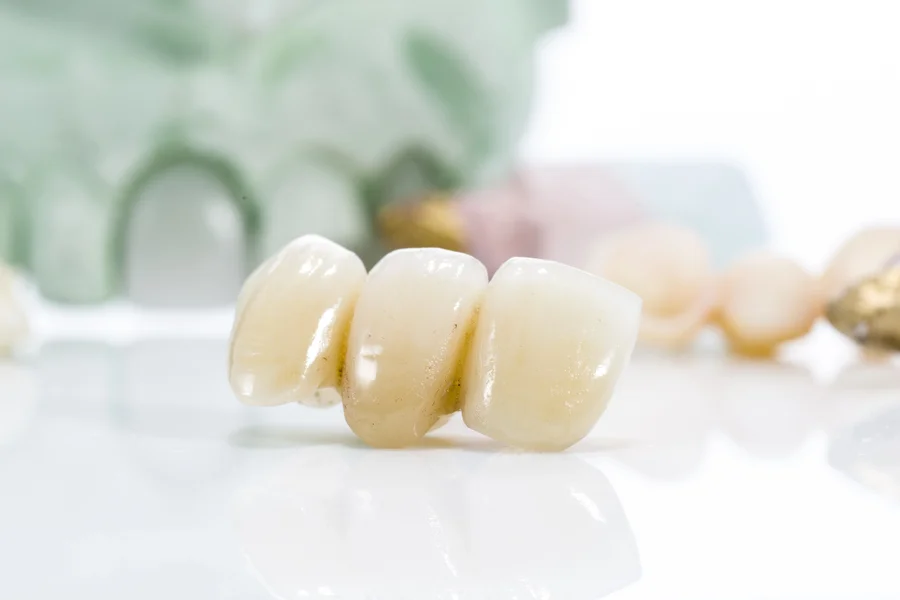
A traditional bridge relies on your own natural teeth for support. According to the American Dental Association, a bridge is attached to the surrounding teeth, with crowns cemented onto the healthy teeth on either side of the gap to hold the replacement tooth in between.
Those supporting the teeth, called abutment teeth, must be reshaped and filed down first to make room for the crowns, which means healthy tooth structure is permanently altered, even if those teeth never had a problem to begin with.
This approach has worked well for decades precisely because it does not require surgery. It can usually be completed in just a couple of visits, which is part of why traditional, tooth-supported dental bridges in Hickory, NC, remain such a common option today.
How an Implant-Supported Bridge Works Differently
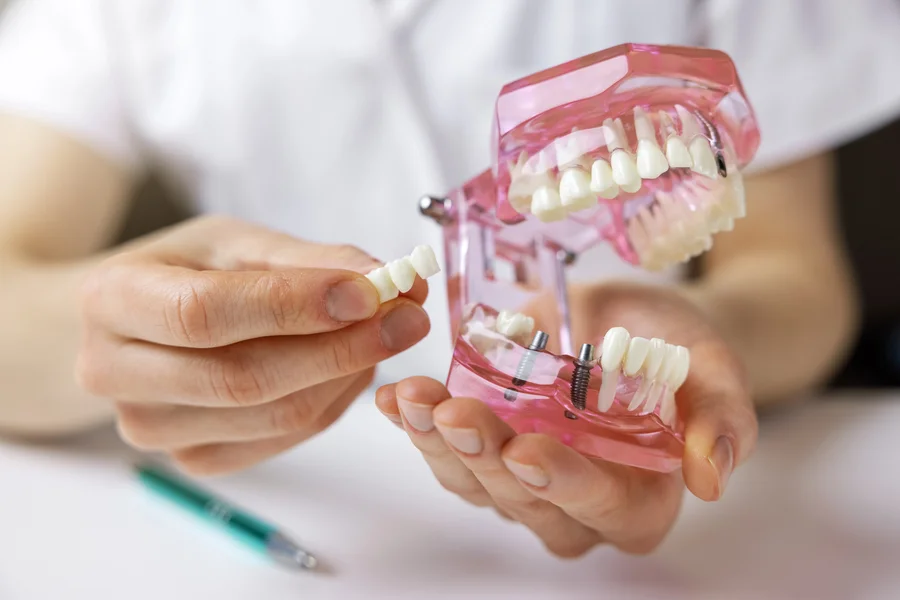
An implant-supported bridge skips the natural teeth entirely. Instead of crowning the teeth next to the gap, small titanium posts are placed directly into the jawbone, and the replacement teeth attach to those posts instead.
This means your healthy adjacent teeth never have to be touched or reshaped in any way. It also addresses a problem traditional bridges cannot: the gradual bone loss that happens in the jaw once a tooth is missing, which continues regardless of which restoration sits on top of the gum.
Implants help preserve that bone by giving it something to bond with and stay active against, which is part of why this option tends to last considerably longer than a traditional bridge for the right candidate, sometimes decades longer with proper care.
What This Means for Your Remaining Teeth
The tradeoff comes down to what you are willing to alter versus what you are willing to undergo. A traditional bridge means permanently reshaping two healthy teeth, even if only slightly. Those teeth become part of the long-term success or failure of the bridge itself, since decay or damage to either one can eventually compromise the whole restoration.
An implant-supported bridge leaves your natural teeth completely alone. Still, it requires a minor surgical procedure and enough healthy jawbone to support the implants, which not every patient has without additional treatment first, such as a bone graft to rebuild the area before implants can be placed.
A few factors usually determine which option makes more sense when patients are comparing dental bridges.
- How much bone remains in the jaw where the implants would go
- Whether the teeth next to the gap are already healthy or already have fillings or crowns
- How much time you want to spend on the overall process
- Your budget, since the two options are priced differently upfront
- Whether you would rather avoid surgery altogether or avoid altering healthy teeth
Neither option is automatically the better choice. It depends entirely on your specific mouth, your timeline, and what you are trying to avoid.
Considering Dental Bridges in Hickory, NC?
Drs. Bouali, Johal, and Dunning can evaluate your specific situation and honestly explain whether a traditional or implant-supported bridge fits your needs, or whether dentures might be a better fit, depending on how many teeth are involved. FRESHDental Hickory walks every patient through these tradeoffs before recommending a path forward.
Contact us today if you are exploring dental bridges in Hickory, NC.